

When a school community experiences a crisis, the need for support extends far beyond the initial response. Helping students, staff and families navigate the aftermath requires specialized preparation, practical skills and a network of professionals ready to step in when they are needed most.
Longwood University recently helped advance that work, welcoming more than 40 school counselors and school mental health professionals representing 28 school divisions, colleges and universities, and the Virginia Department of Education for a two-day crisis recovery training on November 11-12.
Hosted by Dr. Marsha Rutledge and Longwood's Counselor Education Program, the training was facilitated by Linda Tyree, director of the Southern Regional Education Board (SREB) Crisis Recovery Network. Participants received specialized preparation in the PREPaRE model, a nationally recognized framework developed by the National Association of School Psychologists to help school professionals respond to and support recovery following traumatic events and school crises.
The event also welcomed Sarah Bazemore, school counseling specialist with the Virginia Department of Education, and Mike Cherry, 74th District Delegate and SREB Board Member.
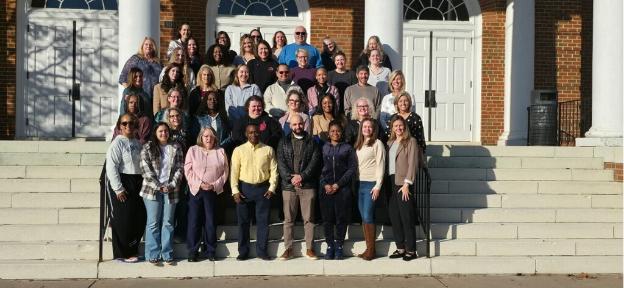
Building skills that extend beyond the classroom
For school counselors, the ability to support students through difficult circumstances is an essential part of the profession. Whether responding to the sudden loss of a student or staff member, a natural disaster, an act of violence or another traumatic event, counselors play an important role in helping school communities regain a sense of safety and begin the recovery process.
Through the training, participants developed practical strategies for assessing the needs of a school community, providing psychological first aid, supporting students and staff, and connecting those affected with appropriate resources.
These experiences reflect the importance of continued professional learning in the counseling field. As school environments and student needs evolve, counselors must be equipped with current approaches, specialized knowledge and opportunities to strengthen their practice.
For Longwood's graduate counseling students, the training also highlights the professional opportunities available beyond earning a degree. Experiences like these demonstrate how graduate-level preparation can translate into meaningful contributions within schools and communities, while reinforcing the value of ongoing education throughout a counseling career.
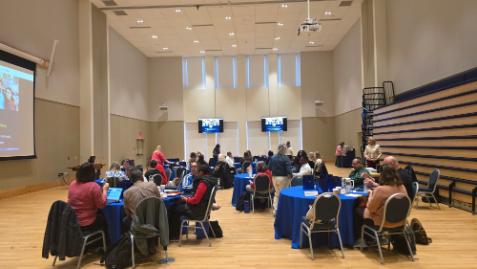
Strengthening a network of support across Virginia
Just as important as the skills developed during the training were the connections formed among professionals from across the Commonwealth.
Through the SREB Crisis Recovery Network, trained counselors can provide additional support to schools and districts experiencing significant crises, supplementing the resources and professionals already in place within those communities.
Mary Cheverton, director of Student Services and Safety for Pulaski County Public Schools and a member of the network, emphasized the value of both the training and the relationships it fostered.
"The SREB Crisis Recovery Network two-day training, made possible through support from VDOE, was an invaluable, impactful experience," Cheverton shared. "Connecting with fellow counselors and educators was another highlight, strengthening the regional and state support network our schools rely on during critical moments."
The Virginia training is part of SREB's growing Crisis Recovery Network, which is developing teams of trained professionals across its 16-state region. By bringing together counselors with different experiences and areas of expertise, the network helps ensure that schools have additional resources and trusted colleagues to call upon when a major crisis occurs.
For Longwood, hosting this training reflects the university's continued commitment to supporting counseling professionals through meaningful learning opportunities and connections with the broader education community.
For current and future school counselors, the message is equally important: preparation does not end with a degree. Building the knowledge, skills and professional relationships needed to support students and school communities is an ongoing part of the work—and one that can make a lasting difference when it matters most.